
Imagine this: you’re standing in line at your favorite coffee shop, ready to pay for your morning pick-me-up. You reach for your wallet, and out comes your trusty debit card—a habit so ingrained, you hardly think about it. But what if this everyday action is quietly putting your finances, your credit, and even your peace of mind at risk?
In 2025, the financial landscape is evolving faster than ever, and the humble debit card—once hailed as the perfect blend of convenience and control—may no longer be the safe, smart choice it once seemed. In fact, continuing to rely on your debit card could be costing you money, exposing you to fraud, and holding you back from financial opportunities you didn’t even know existed.
In this deep-dive, we’ll pull back the curtain on the hidden dangers of debit cards, reveal how the rules of the game have changed, and show you why it’s time to leave your debit card in the dust. We’ll also explore the smarter, safer, and more rewarding alternatives that are reshaping the way savvy consumers pay in 2025. By the end, you’ll be armed with the knowledge to protect your wallet—and maybe even grow it.
Chapter 1: The Debit Card—A Brief History and Its Allure
Debit cards exploded in popularity in the late 1990s and early 2000s, offering a revolutionary way to access your money without the risks of carrying cash or the potential debt of credit cards. For years, they were marketed as the responsible person’s payment tool: “Don’t spend what you don’t have!” became the mantra.
But times have changed. The rise of digital banking, contactless payments, and fintech innovations has shifted the landscape. While debit cards still account for a significant portion of daily transactions, their drawbacks have become harder to ignore—especially as fraudsters, banks, and even retailers adapt to new realities.
Chapter 2: The Hidden Dangers of Debit Cards
1. Weak Fraud Protection: Your Money Is at Risk
When you make a purchase with your debit card, the money comes directly out of your checking account. If your card is lost, stolen, or compromised, your actual cash is on the line.
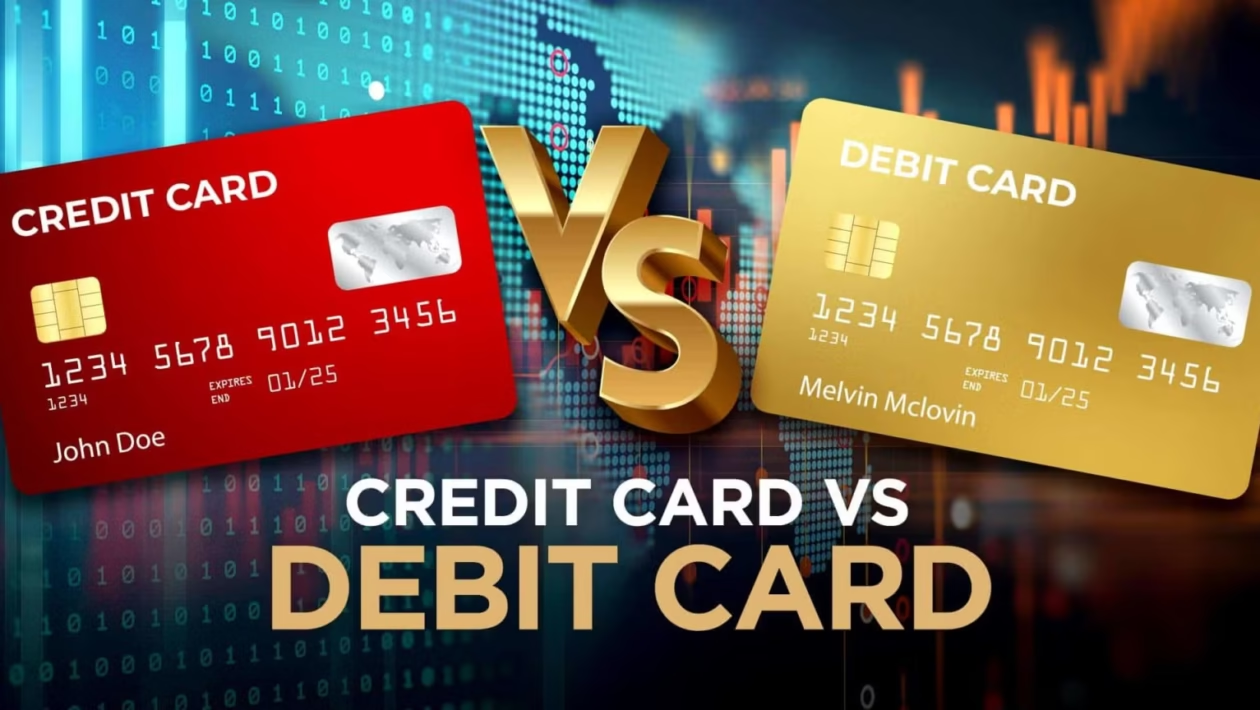
Credit Cards vs. Debit Cards: Fraud Liability
- Credit Card: Under the Fair Credit Billing Act (FCBA), your liability for unauthorized charges is capped at $50, and most issuers offer zero-liability policies. The card company’s money is at risk, not yours, while they investigate.
- Debit Card: The Electronic Fund Transfer Act (EFTA) provides weaker protections. If you report a lost or stolen debit card within two business days, your liability is limited to $50. Wait longer, and you could lose up to $500—or even all the money in your account if you don’t notice the fraud within 60 days.
2025 Update:
As digital fraud surges, debit card breaches are on the rise. According to the 2025 Javelin Strategy & Research report, debit card fraud losses increased by 17% year-over-year, while credit card fraud remained relatively flat due to improved security features. Banks are struggling to keep up with real-time fraud detection on debit transactions, leaving consumers more exposed.
Real-World Nightmare:
Imagine your rent, utilities, and grocery money—all wiped out in a single hack. It can take weeks for banks to investigate and restore your funds, leaving you stranded.
2. Limited Purchase Protection and Dispute Power
Ever bought something online that never arrived, or received a defective product? With a credit card, you can dispute the charge and often get your money back while the issuer investigates.
With a debit card, the process is slower and less consumer-friendly. The money is already gone from your account, and banks are less motivated to fight for your refund. In 2025, as e-commerce continues to dominate and scams become more sophisticated, this lack of protection can be costly.
3. No Rewards, No Perks—You’re Leaving Money on the Table
Credit cards have upped the ante with cash back, travel rewards, purchase insurance, and exclusive perks. Debit cards? Most offer little to nothing in return for your spending.
2025 Trend:
Major banks like Chase and Wells Fargo have slashed debit card rewards programs, citing rising costs and regulatory pressure. Meanwhile, new credit cards and even some digital wallets offer up to 5% cash back on everyday purchases, free travel insurance, and extended warranties.
4. Potential Damage to Your Credit Score
Debit card usage does not help you build credit. If you’re relying solely on a debit card, you’re missing out on one of the easiest ways to establish and improve your credit score—a key factor in getting approved for loans, mortgages, and even some jobs.
In 2025, with more employers and landlords checking credit, this could be a silent barrier to your financial goals.
5. Overdraft Fees and Account Drains
You might think using a debit card keeps you safe from overspending, but overdraft fees remain a multi-billion-dollar business for banks. In 2024 alone, Americans paid over $11 billion in overdraft and non-sufficient funds (NSF) fees, according to the Consumer Financial Protection Bureau.
Some banks process transactions in ways that maximize the chance of overdrawing your account—charging you $35 for a $2 coffee if it pushes you into the red.
6. Vulnerable at Gas Stations, Hotels, and Rentals
Many gas stations, hotels, and car rental agencies place holds on your debit card, locking up hundreds of dollars for days. This can leave you short on cash for other expenses.
Credit cards handle these holds with ease, and you’re never at risk of bouncing a payment or missing a bill because your money is tied up.
7. Increasing Target for Scammers and Skimmers
Debit cards remain a favorite target for criminals using skimmers, phishing attacks, and data breaches. In 2025, with the rise of AI-driven scams and sophisticated hacking tools, your debit card data is more vulnerable than ever.
Chapter 3: But I Like My Debit Card! Common Myths Debunked
Myth #1: “Debit Cards Keep Me Out of Debt.”
While it’s true that debit cards only let you spend what’s in your account, this “safety” comes at a steep cost: lost rewards, weak protections, and missed credit-building opportunities. With the right habits, you can use credit cards responsibly and never pay a cent in interest.
Myth #2: “I Don’t Want to Pay Interest.”
You only pay interest on a credit card if you carry a balance. Pay your bill in full each month, and you enjoy all the perks with none of the cost.
Myth #3: “Debit Is Safer Than Cash.”
True, but so are credit cards—and they offer far more protection if something goes wrong.
Chapter 4: The New Payment Landscape in 2025
The way we pay is changing fast. Here’s what’s trending in 2025—and why debit cards are being left behind:
1. Credit Cards with Enhanced Security and Rewards
Modern credit cards now feature biometric authentication, real-time fraud alerts, and dynamic CVVs that change every transaction. They also offer robust rewards, travel insurance, and purchase protection.
2. Digital Wallets and Mobile Payments
Apple Pay, Google Pay, and Samsung Pay have become mainstream, often offering better security than physical cards. Many digital wallets now let you “mask” your real card number, adding an extra layer of protection.
3. Buy Now, Pay Later (BNPL) Services
Services like Affirm, Klarna, and Afterpay allow you to split purchases into installments—often with no interest if paid on time. While not a replacement for responsible credit use, they offer flexibility that debit cards can’t match.
4. Prepaid Credit Cards and Fintech Solutions
For those wary of traditional credit, reloadable prepaid credit cards and fintech apps like Chime and SoFi offer many of the protections and perks of credit cards, with spending controls and no risk of debt.
Chapter 5: What the Experts Say
“Debit cards are the most dangerous card in your wallet,” says Frank Abagnale, famed security consultant and subject of “Catch Me If You Can.” “When you use a debit card, you’re exposing your entire bank account to risk.”
The Consumer Financial Protection Bureau (CFPB) and Federal Trade Commission (FTC) have both issued warnings about the risks of debit card fraud and the slow pace of reimbursement.
Financial advisors now recommend:
- Use credit cards for everyday purchases.
- Reserve debit cards for ATM withdrawals only.
- Monitor your accounts regularly and use real-time alerts.
Chapter 6: Real Stories, Real Consequences
Case Study 1: The Vacation Nightmare
In 2024, Lisa, a teacher from Ohio, used her debit card to book a hotel in Florida. A week later, she noticed $2,300 missing from her account—her card had been skimmed. It took her bank three weeks to restore the funds, during which she missed rent and had to borrow money for groceries.
Case Study 2: The Online Shopping Disaster
James, a college student, ordered electronics from a website that turned out to be fraudulent. His debit card was charged $800, and the bank took over a month to investigate. With a credit card, he could have disputed the charge and kept his money.
Case Study 3: The Overdraft Trap
Maria, a single mom, thought her debit card would protect her from overspending. But a series of small charges pushed her account negative, leading to $140 in overdraft fees in a single week.
Chapter 7: How to Transition Away from Debit Cards
Ready to make the switch? Here’s how to do it safely and smartly:
1. Choose the Right Credit Card
Look for:
- No annual fee
- 1.5% or higher cash back on all purchases
- Zero-liability fraud protection
- Purchase and travel insurance
- Tools for real-time spending alerts
2. Set Up Automatic Payments
To avoid interest, set your card to auto-pay the full balance each month from your checking account.
3. Use Digital Wallets for Extra Security
Add your credit card to Apple Pay, Google Pay, or Samsung Pay for contactless, secure transactions.
4. Monitor Your Accounts
Use your bank’s app to set up instant alerts for every transaction. Review your statements monthly.
5. Reserve Debit Cards for ATM Use Only
If you need cash, use your debit card at your bank’s ATM. Never use it for purchases, especially online or at gas stations.
Chapter 8: Special Considerations
What If You Can’t Qualify for a Credit Card?
- Secured credit cards are a great way to build credit. You deposit a refundable security deposit and get a card with similar protections and rewards.
- Prepaid credit cards and fintech debit cards (like Chime) offer some credit-like features, but read the fine print.
What About Budgeting?
Apps like Mint, YNAB (You Need A Budget), and your credit card’s own tools make it easy to track spending and stay within your means.
Are There Any Times I Should Use a Debit Card?
Only at your own bank’s ATM. For everything else, a credit card or digital wallet is safer.
Chapter 9: The Future of Payments—What’s Next?
In 2025 and beyond, expect even more innovation:
- Biometric authentication (fingerprint, facial recognition) for all transactions.
- Virtual cards for one-time use, reducing the risk of data breaches.
- AI-powered fraud detection that spots suspicious activity before you do.
- Integrated financial wellness tools that reward you for good habits.
Debit cards, once the future, are now the past. The world is moving on—shouldn’t you?
Conclusion: Protect Your Money, Unlock Your Potential
Your debit card may feel familiar, but in today’s world, it’s more liability than asset. The risks—fraud, weak protections, lost rewards, and overdraft fees—far outweigh the perceived benefits. With smarter, safer, and more rewarding alternatives available, there’s never been a better time to upgrade your payment habits.
Stop using your debit card for purchases. Switch to a credit card or digital wallet, and watch your financial security—and your rewards—grow.
Your money deserves better. So do you.
If you found this article helpful, share it with friends and family—help them protect their wallets, too! And if you have a debit card horror story or a tip for safer spending, let us know in the comments below.